
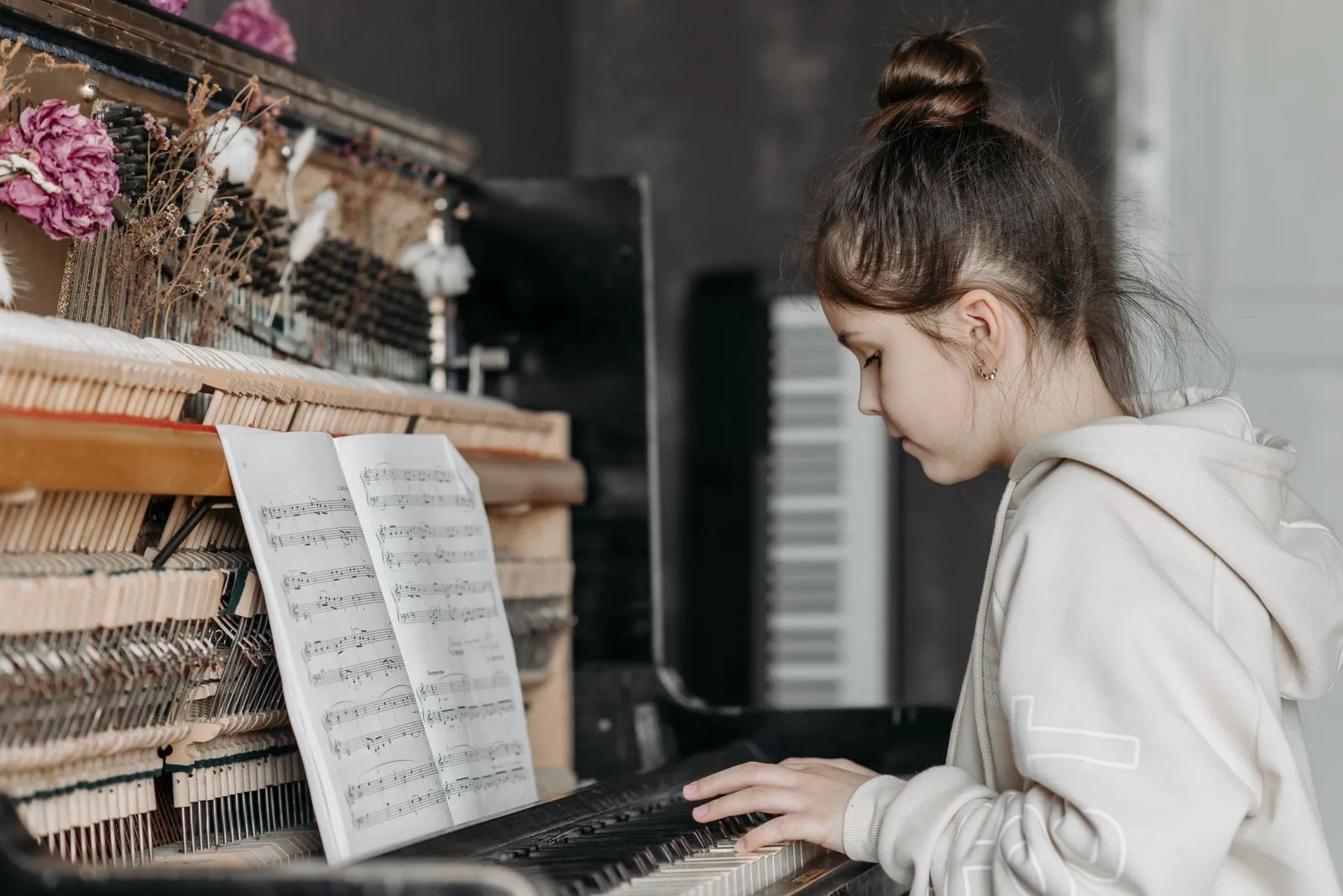
There is no single age when every child is ready for piano lessons. Preschoolers develop at different rates, and readiness has more to do with interest and comfort than with reading music or sitting still for a long time. Notice how your child responds to songs, sounds, and simple activities at home. A few everyday signs can help you decide whether structured piano time might feel enjoyable rather than frustrating.
They show curiosity about music
A child who stops to listen to a song, sings along, taps a beat, or asks how a piano works may be ready to explore music more intentionally. Curiosity does not have to look like formal practice. It might show up as pressing keys to hear different sounds or returning to a favorite song again and again.
Offer chances to explore without turning every moment into a test. Let your child listen to different kinds of music, move to a steady beat, or try a few piano keys with you nearby. If they come back to the activity on their own, that is useful evidence of interest.
Short activities feel manageable
Preschool piano activities work best when they fit a young child's attention span. Notice whether your child can join a brief, simple activity, such as copying a clap, following a one-step direction, or taking turns pressing keys. They do not need to stay focused for a full adult-length lesson.
A child may also be ready if they can shift between listening, moving, and trying something with their hands with a little support. Wiggling is normal. The key question is whether a short, guided activity can feel engaging, even if attention comes and goes.
They can try with guidance
Lessons involve watching, listening, and trying an activity with help. Your child does not need to follow every instruction right away, but it helps if they can accept a gentle prompt, copy a simple action, or take a turn with an adult. These early skills make it easier to explore the keyboard together.
If your child resists directions in a particular moment, consider the setting before deciding they are not ready. Tiredness, hunger, or unfamiliar surroundings can affect participation. Try a short music activity at a calm time and see whether they respond differently.
Interest matters more than milestones
Children do not need to know letters, read music, or play a tune before starting. Piano lessons for preschoolers can begin with listening, rhythm, movement, and playful keyboard exploration. Readiness is less about reaching a checklist of academic skills and more about whether your child can enjoy a little structure around music.
If interest is uncertain, start with low-pressure opportunities at home: sing together, tap a rhythm, or explore high and low sounds on a keyboard. Keep the activity brief and stop while it is still pleasant. A teacher who works with preschoolers can also explain how lessons are paced and what participation may look like.
Look for a child who shows some musical curiosity, can enjoy a short guided activity, and is willing to explore with an adult. Those signs matter more than a specific birthday or musical skill. If your preschooler seems interested, ask Little Key Piano how lessons can match their attention span and comfort level.